
TBOOK
Tactile learning for BLIND children
TBOOK helps blind and visually impaired (BVI) children, their families, and their educators prepare for new experiences through multisensory play and exploration.
Role
Hardware/software lead
(team of 4 project for Designing Emerging Technologies class)
Timeline
February - May 2025
Skills
Interaction design
Circuit design
Programming
User research
Tools
Arduino
Sensors
C++/Python
RESEARCH
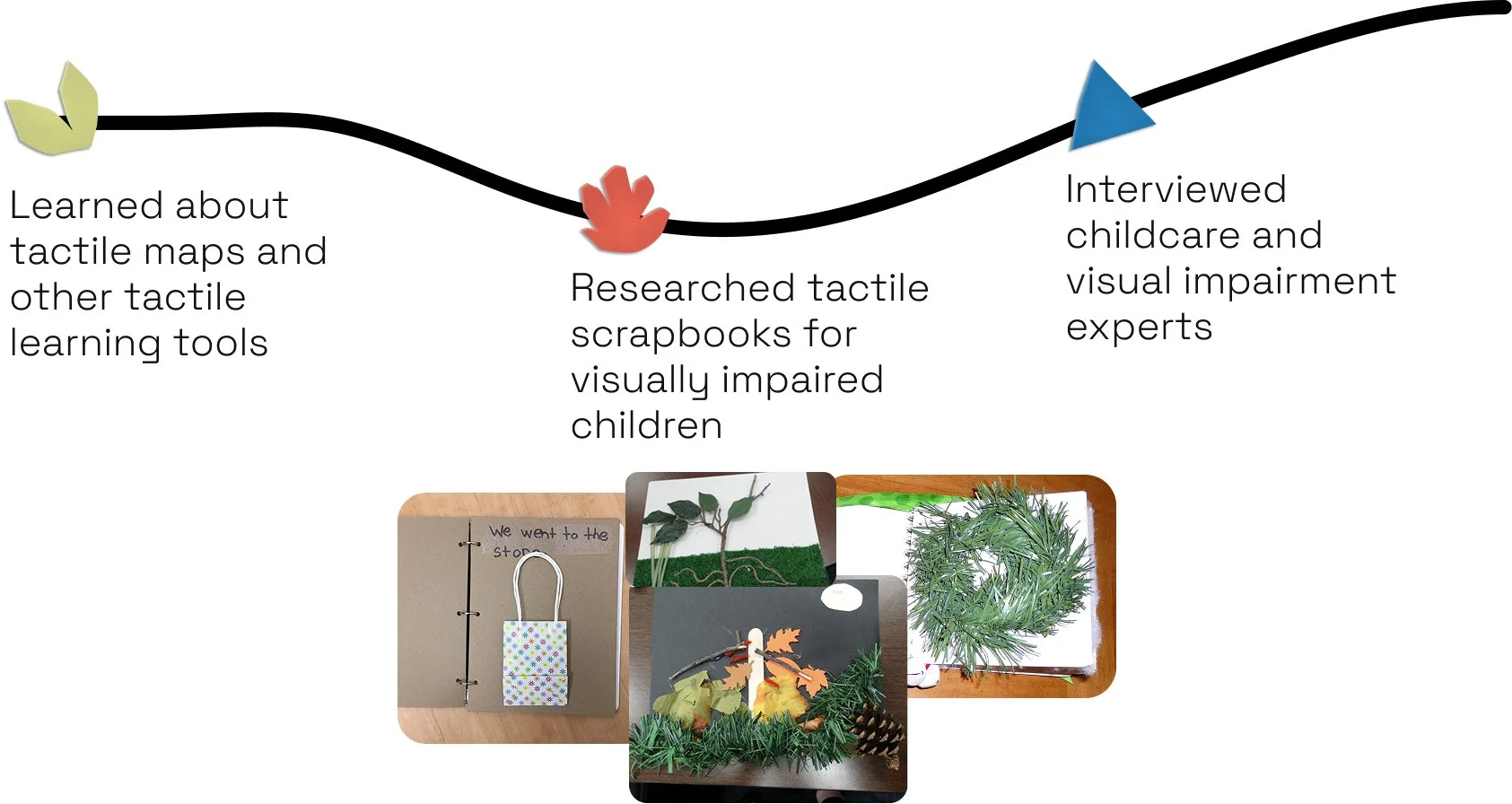
Our team learned about how blind and visually impaired (BVI) adults explore their environment using tactile maps from LightHouse MAD Lab. We became interested in understanding how young BVI children navigate new environments and experiences through tactile tools. To learn more, we interviewed three different experts on BVI education.
One common approach is to create tactile experience scrapbooks - collections of labeled mementos from outings like park visits or amusement parks. These scrapbooks help children revisit and share their experiences through touch.
INSIGHTS
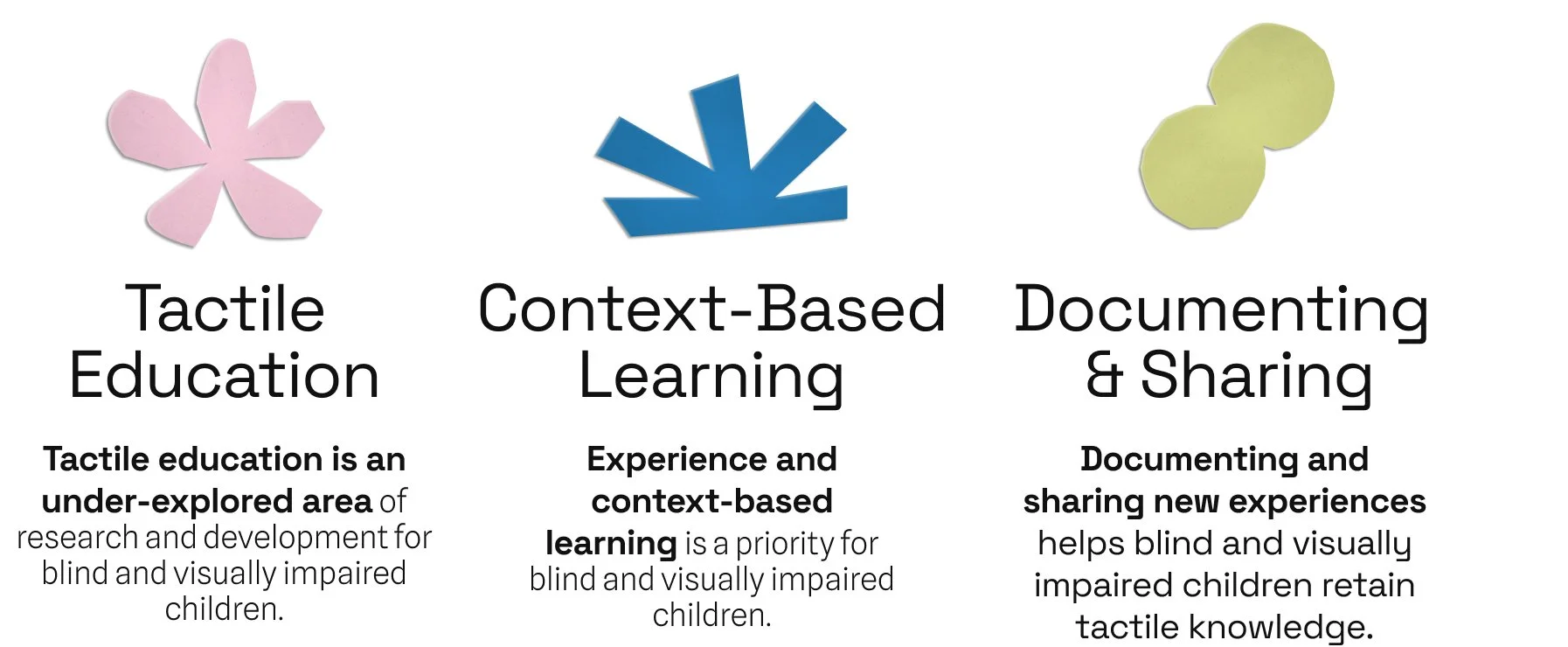
How might we explore tactile education in a novel way that helps BVI CHILDREN prepare for, document, and sharE new experiences?
IDEATING
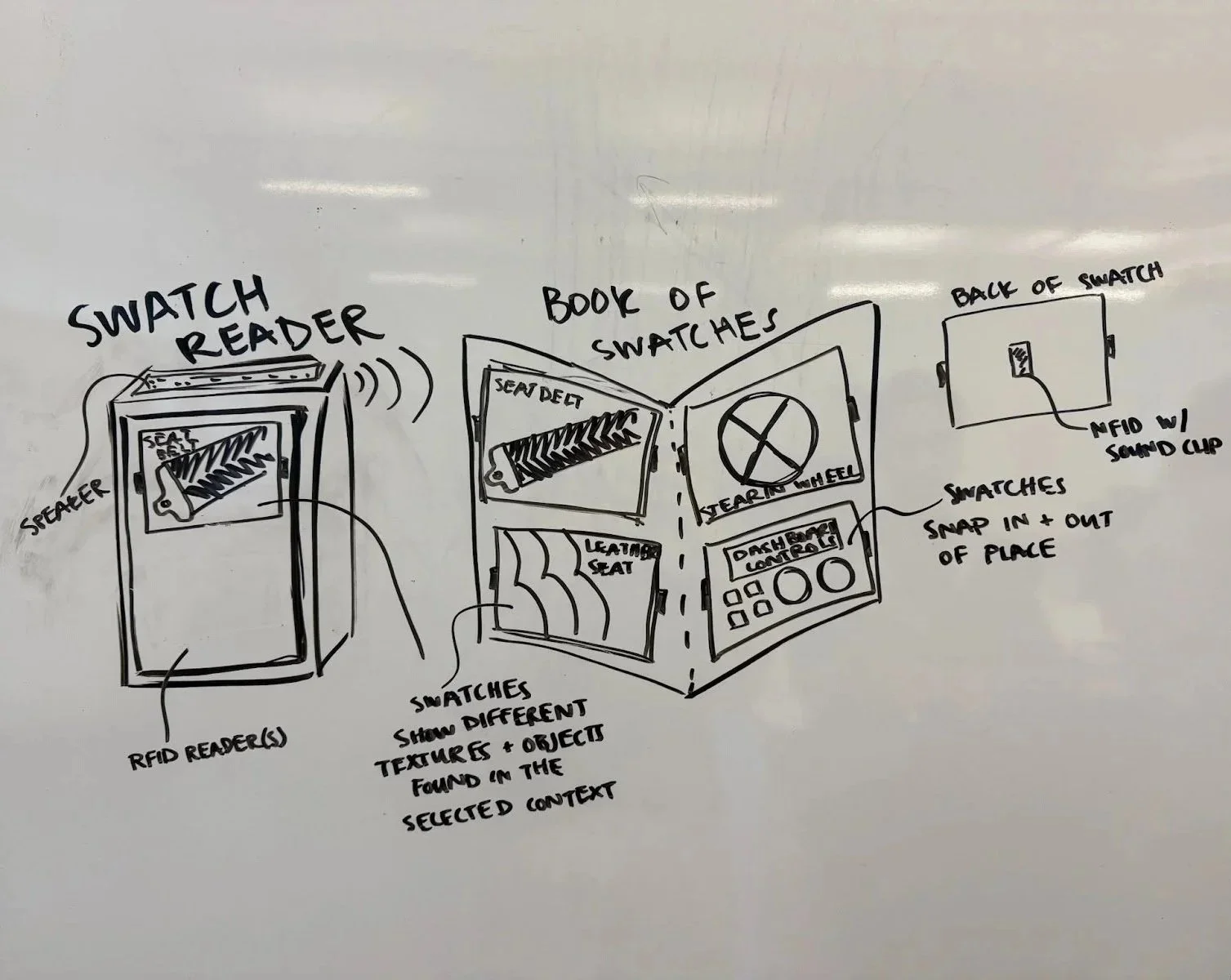
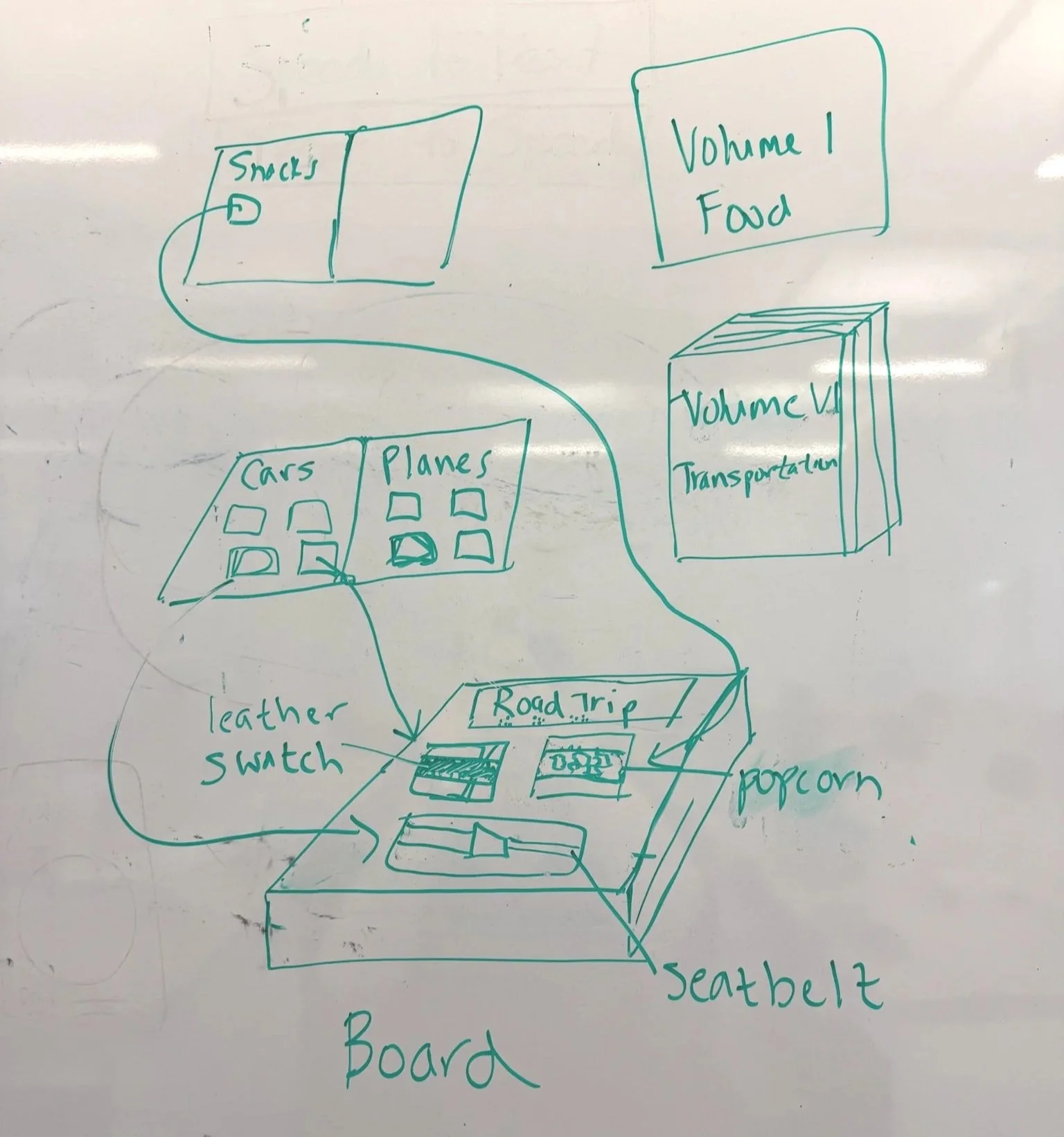
We wanted to improve on the existing practice of tactile scrapbooking by making them multisensory and more modular and reusable by allowing mixing and matching different materials together in one enclosure.
We also wanted to prioritize creating something that would allow tactile exploration of materials that might be hard to find or bring home otherwise.
prototyping & Testing
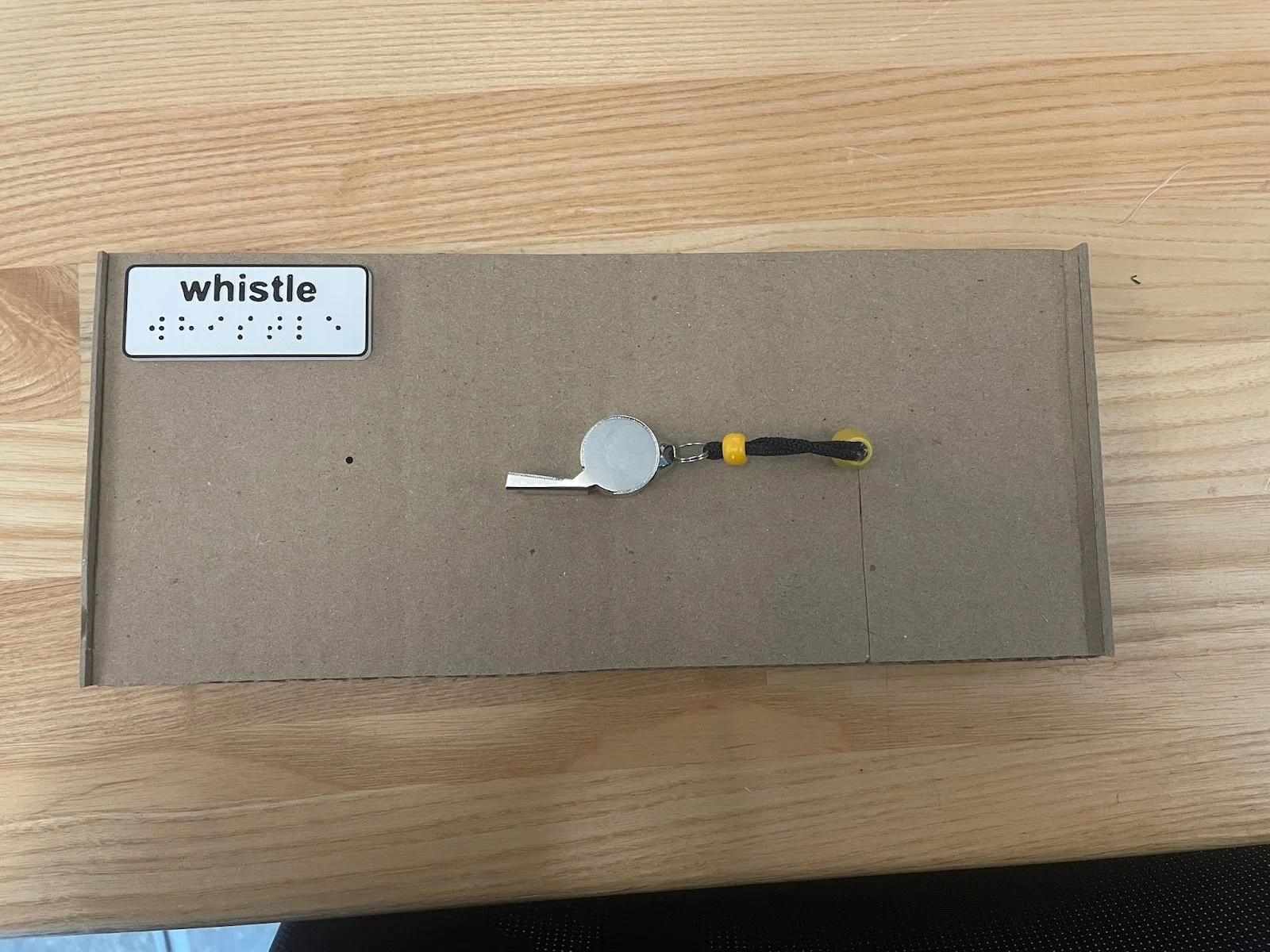
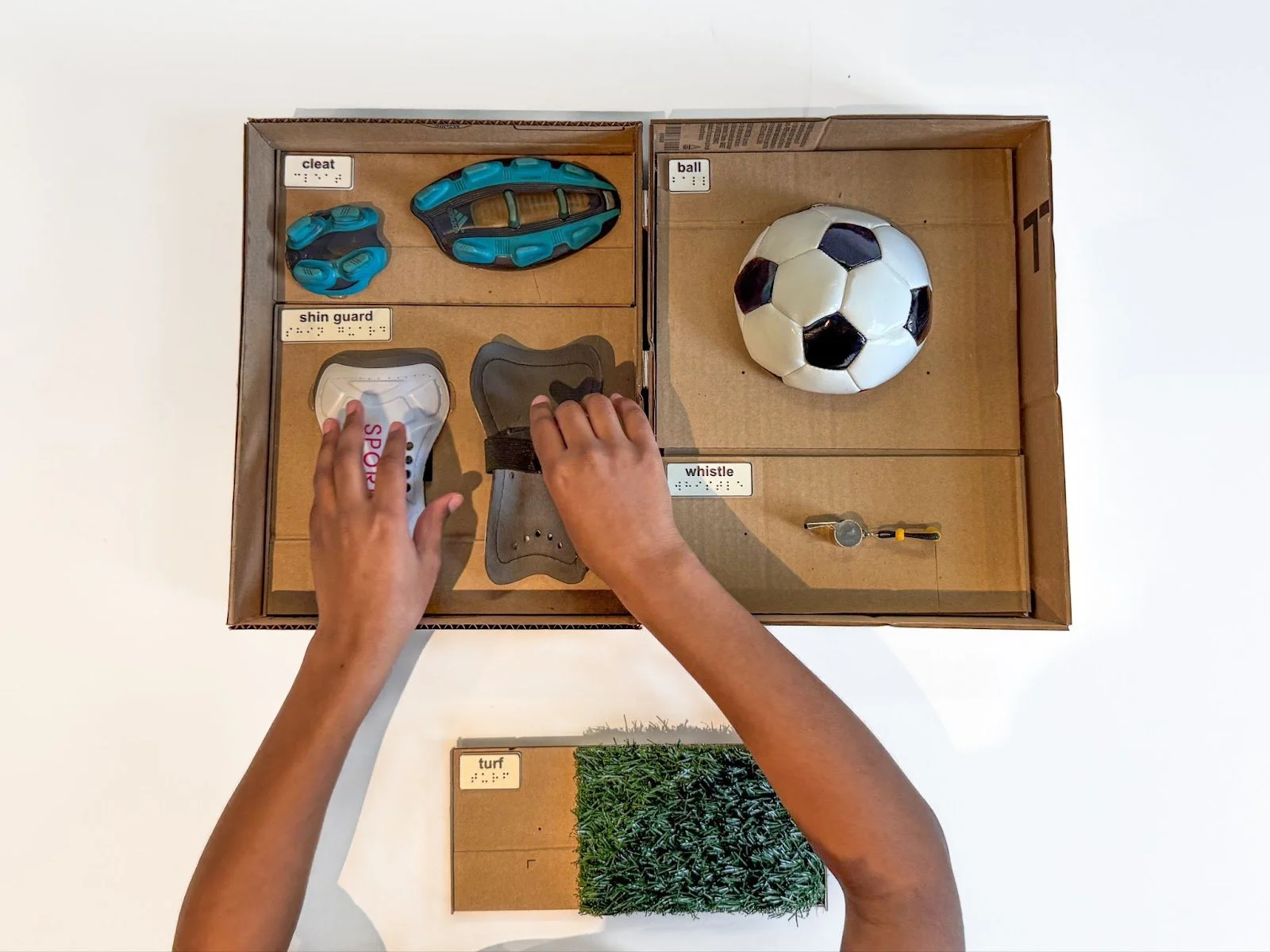
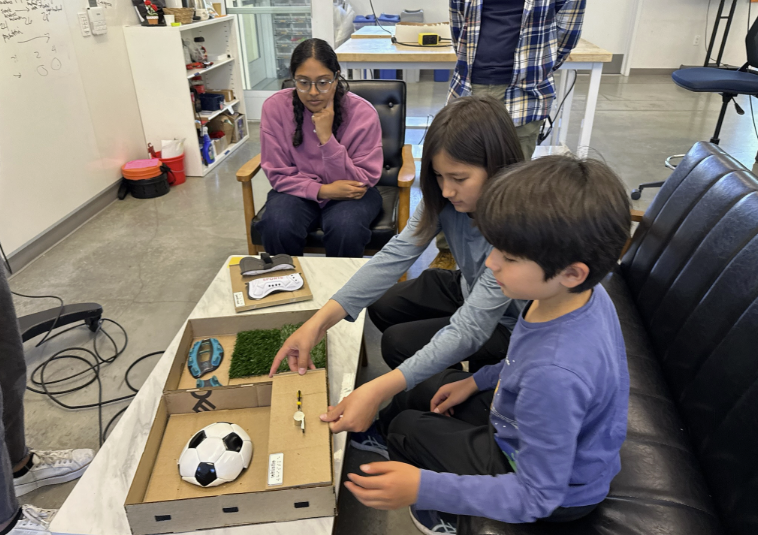
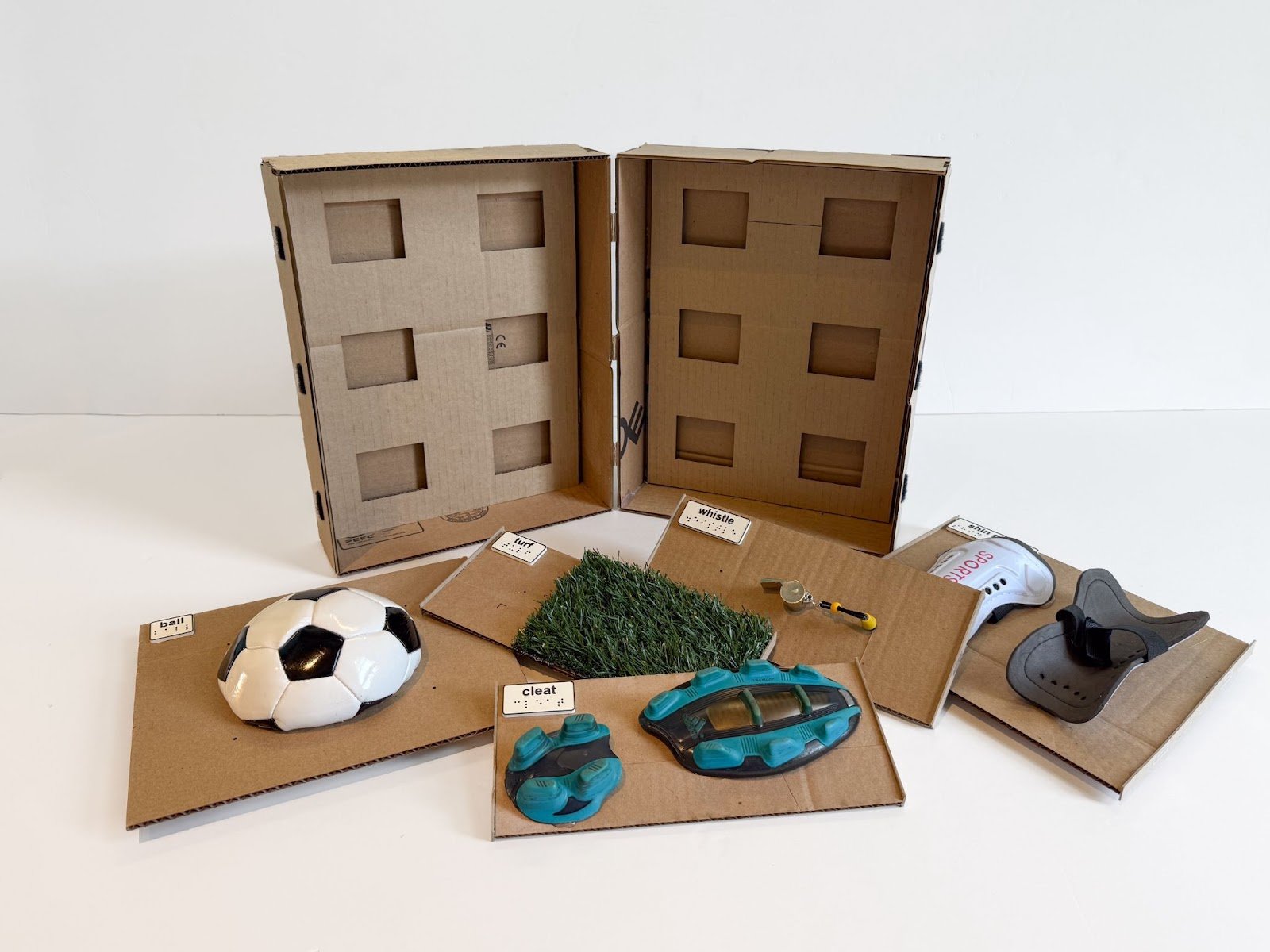
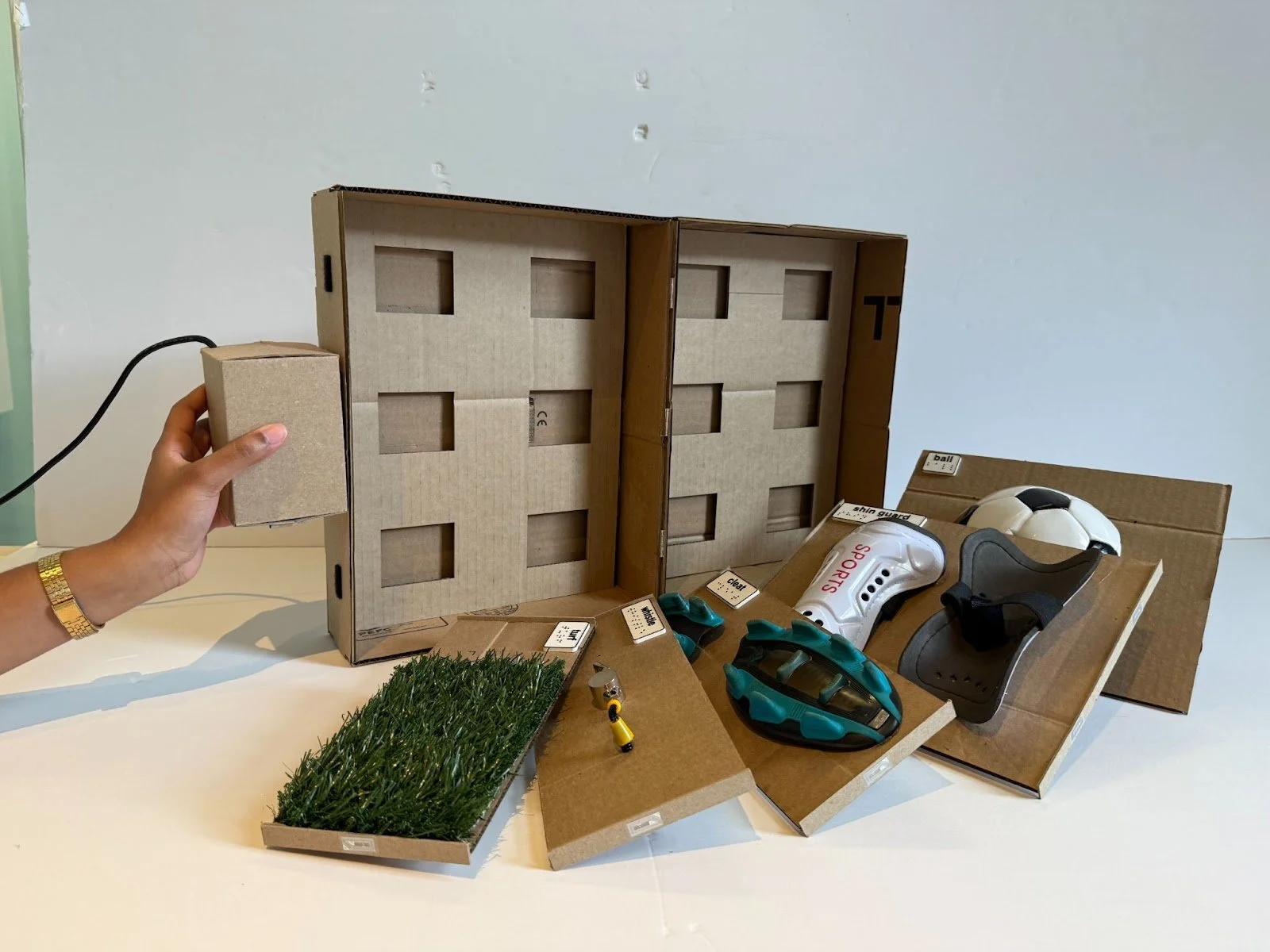
We prototyped a modular system with different “swatches” of materials and a “book” using cardboard and materials sourced from thrift stores. We also created an audio component for each swatch that played a sound when a “sound remote” was held next to it, using RFID technology.
After user testing this prototype with young kids, we learned that:
Swatches should be a standard size to prevent confusion
Sound remote experience was unintuitive
We should prototype more categories of materials that are essential to daily living
ITERATIONS
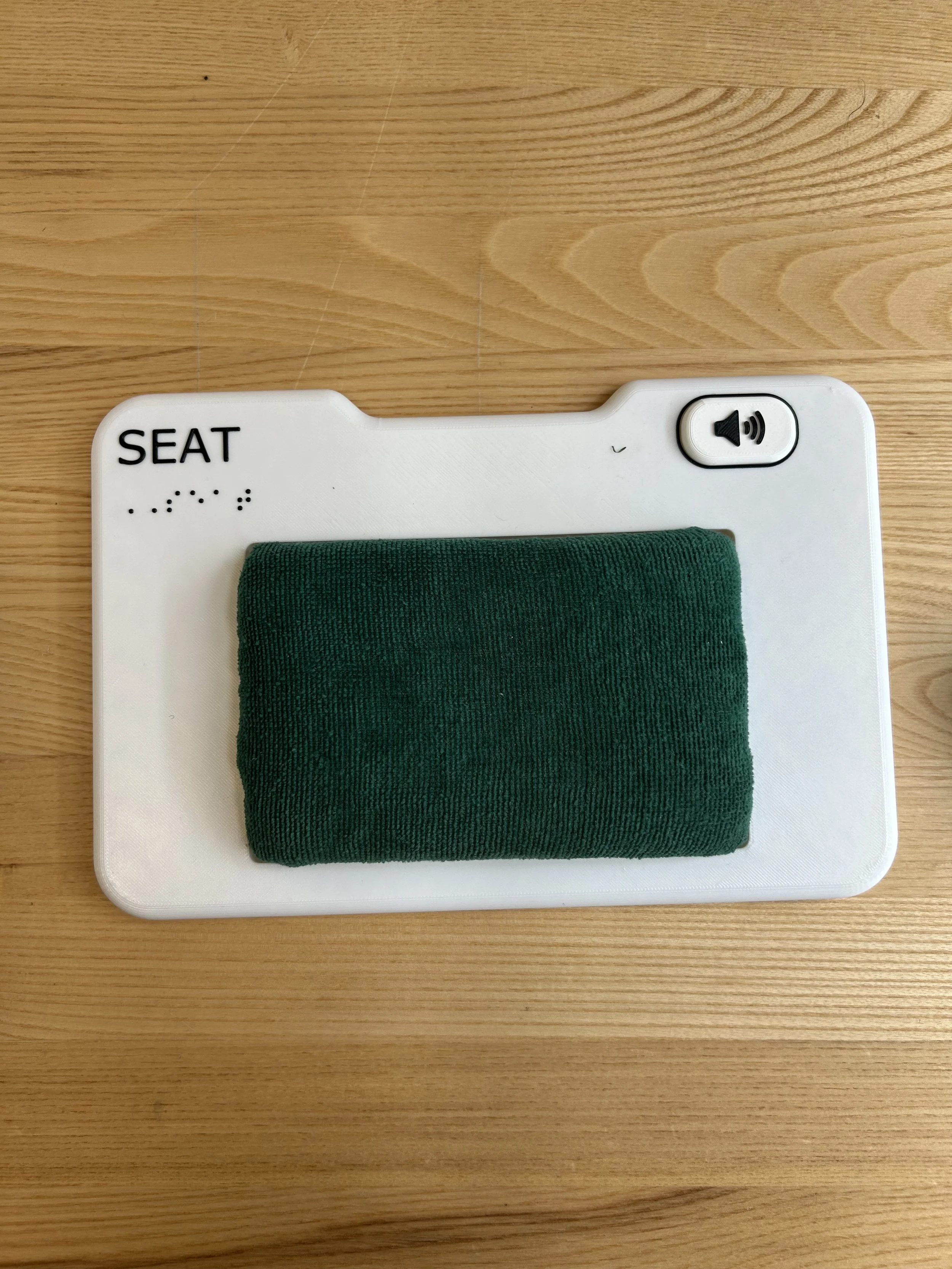
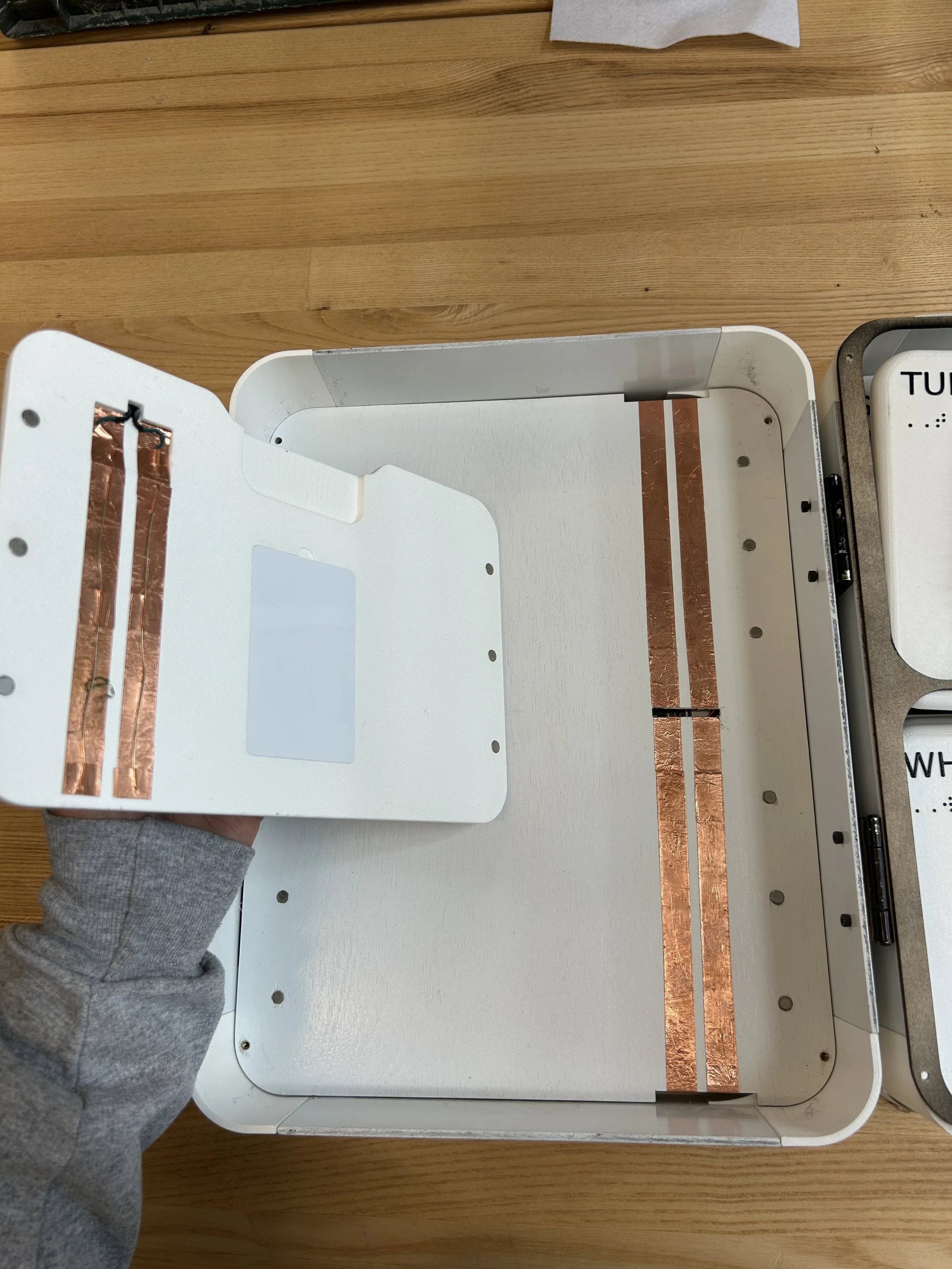
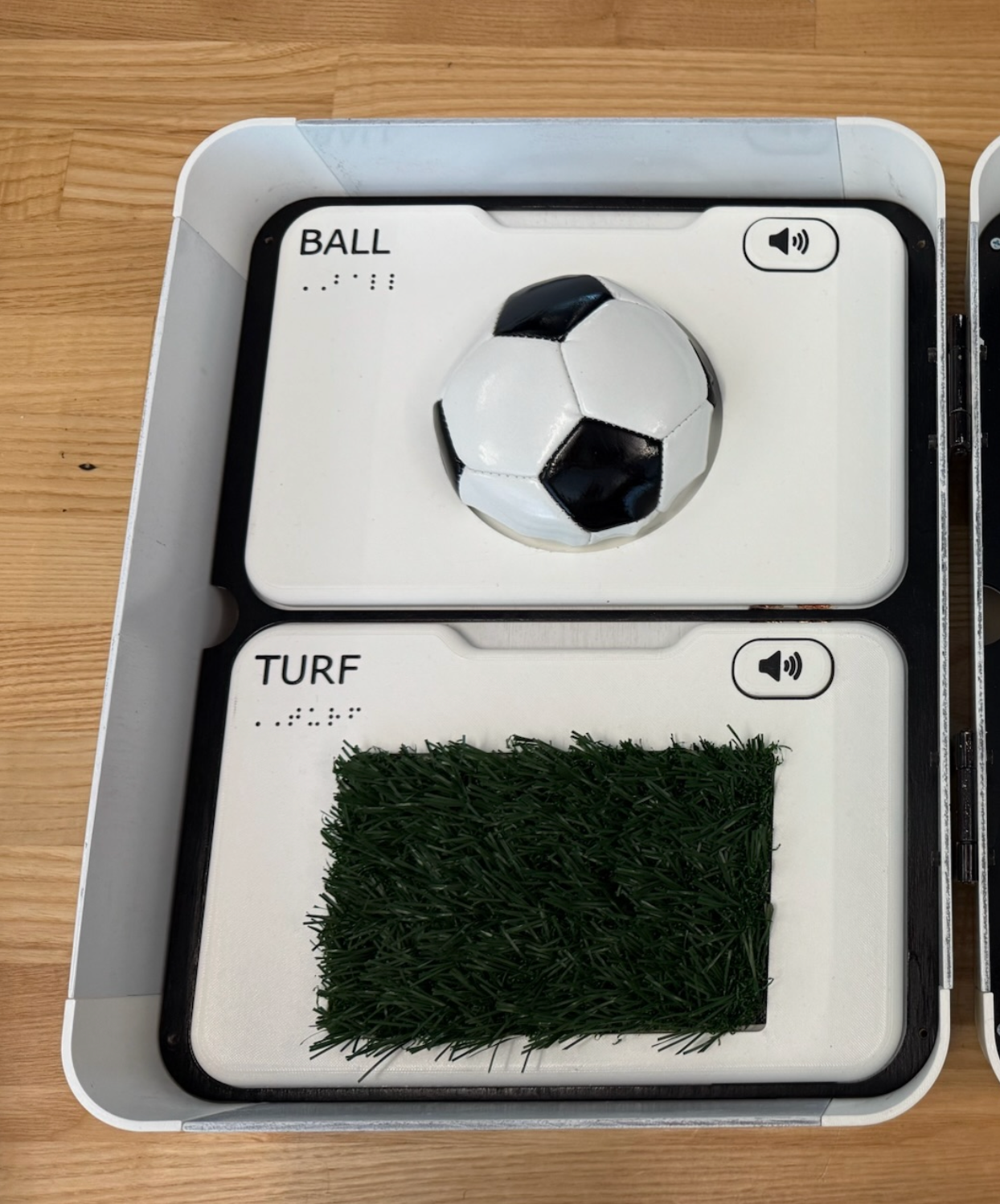
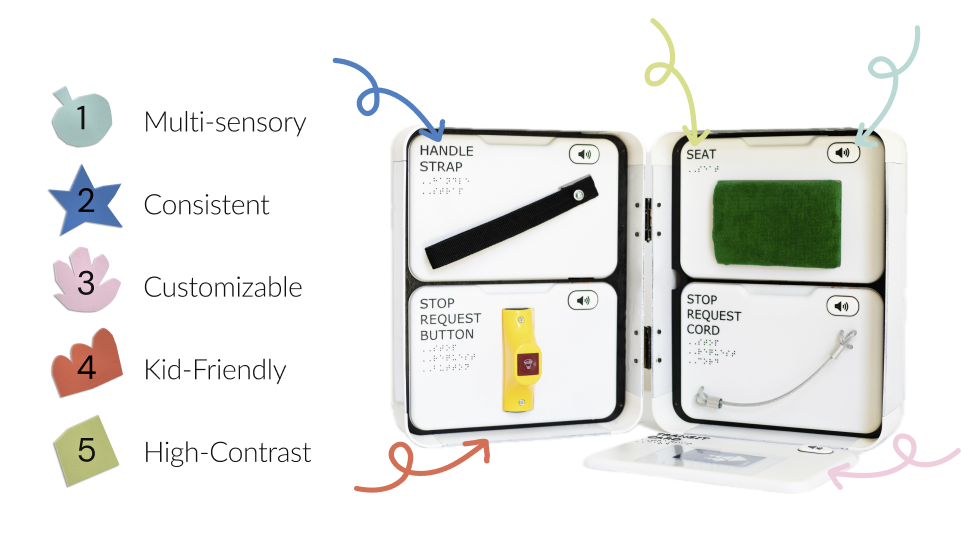
On the fabrication side, we realized we needed to make swatches a consistent size for accessibility. We also wanted to create a higher fidelity prototype of the tool using 3D printed parts. To improve the audio experience of interacting with a swatch, we incorporated a button with a tactile audio symbol onto the swatch itself.
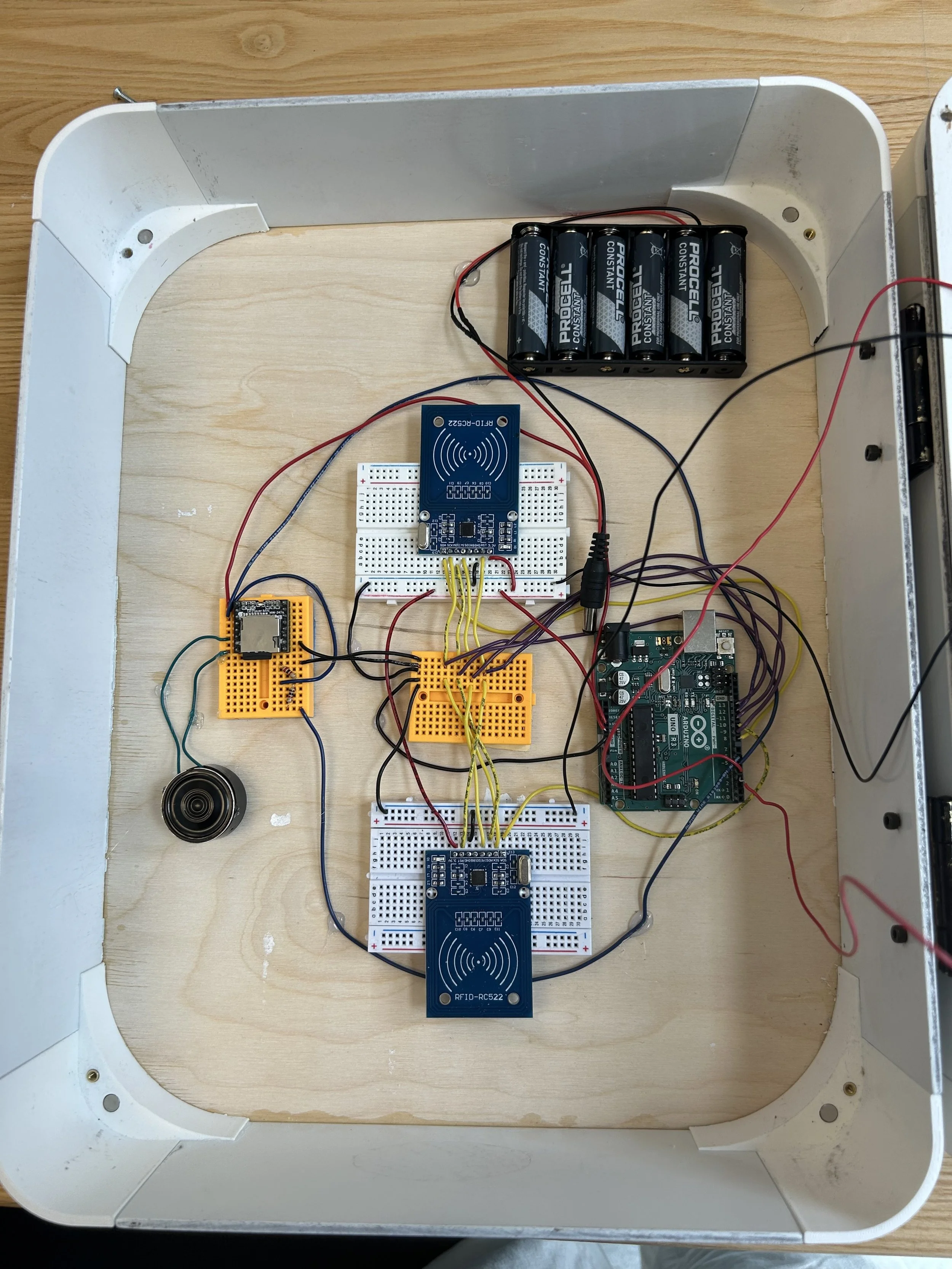
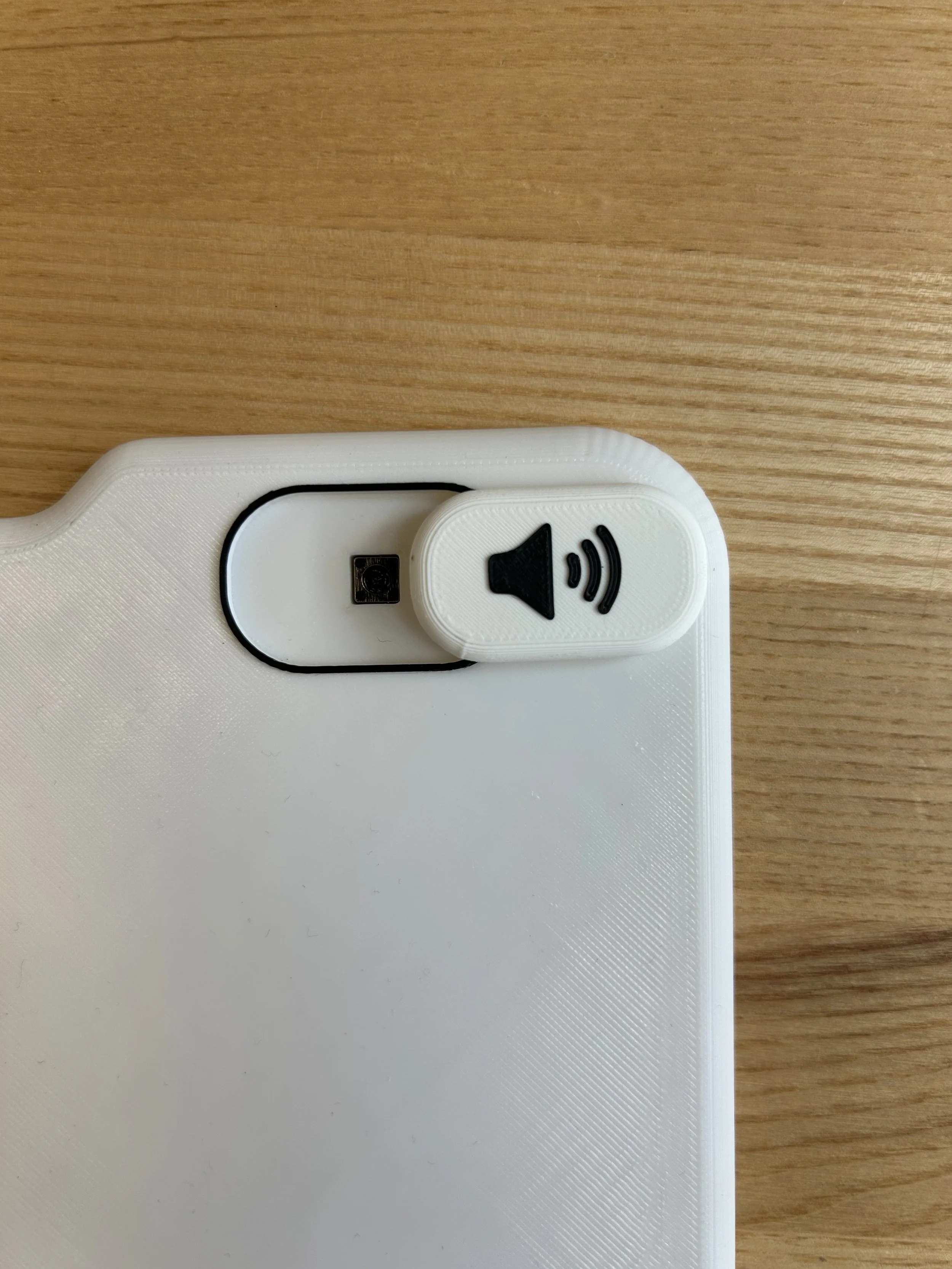
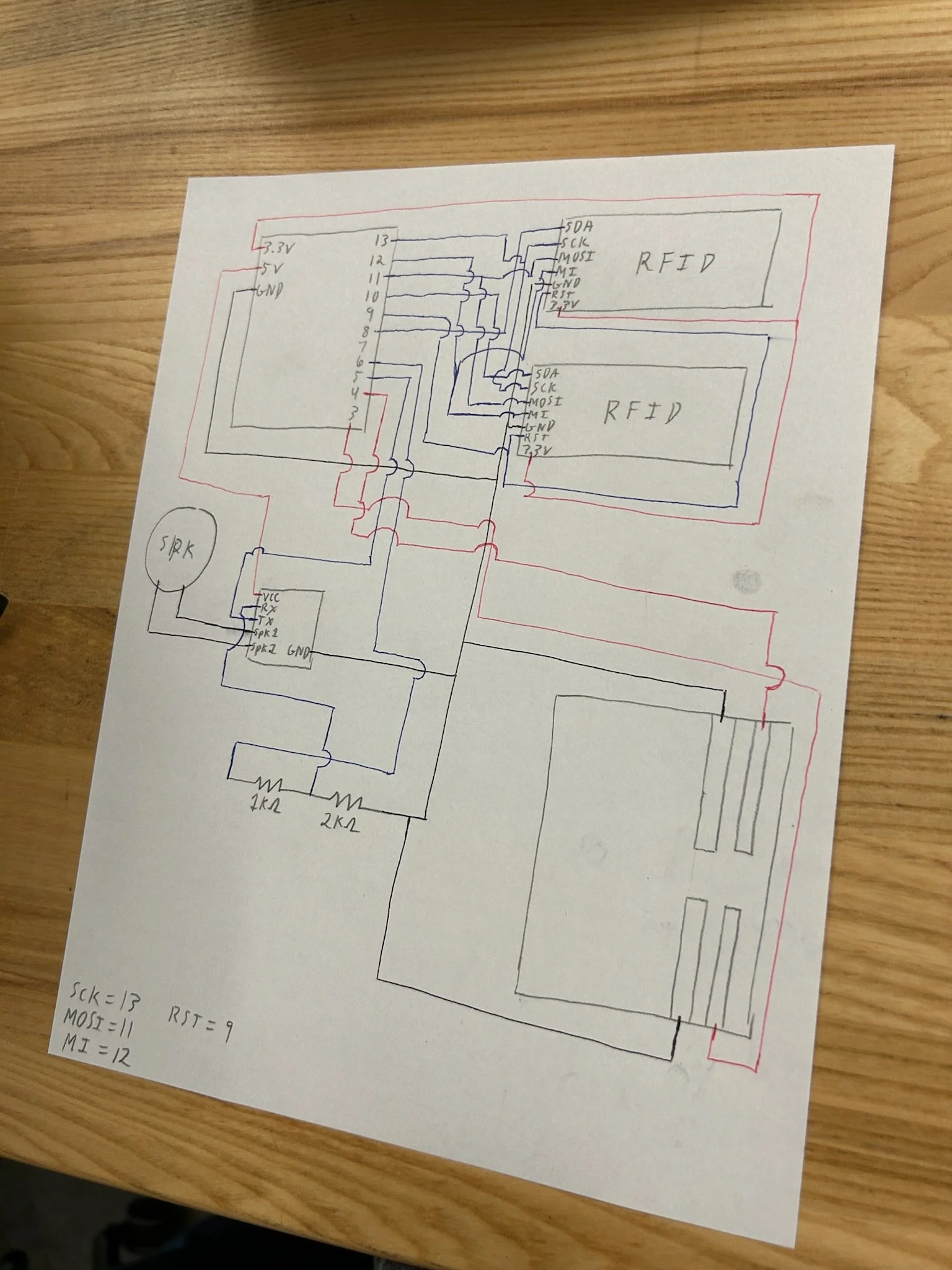
Changing the way we played audio also required overhauling the electronics, using both RFID technology and a copper tape-based key system to identify both the swatch and when the button was pressed on the swatch to trigger audio clips.
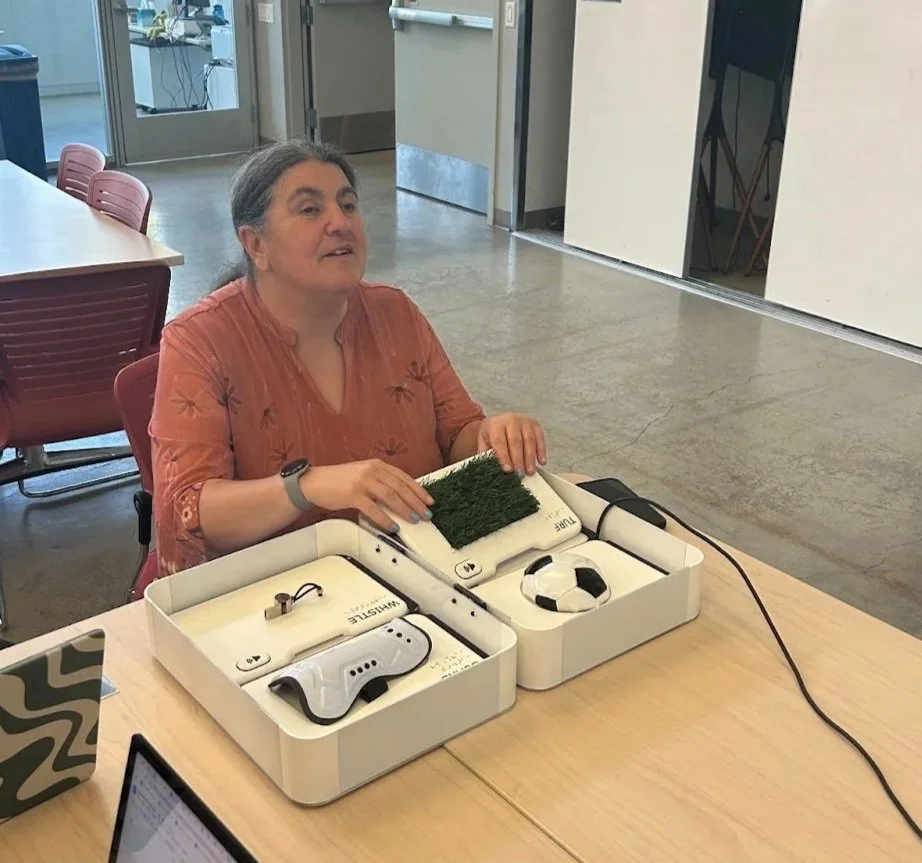
We tested this new iteration with Lucy Greco, an accessibility expert who is blind herself. She responded very positively to the improved swatches and audio experience, and suggested that further iterations use a less constrictive format to arrange the swatches, such as a mat or tabletop map.
OUTCOME
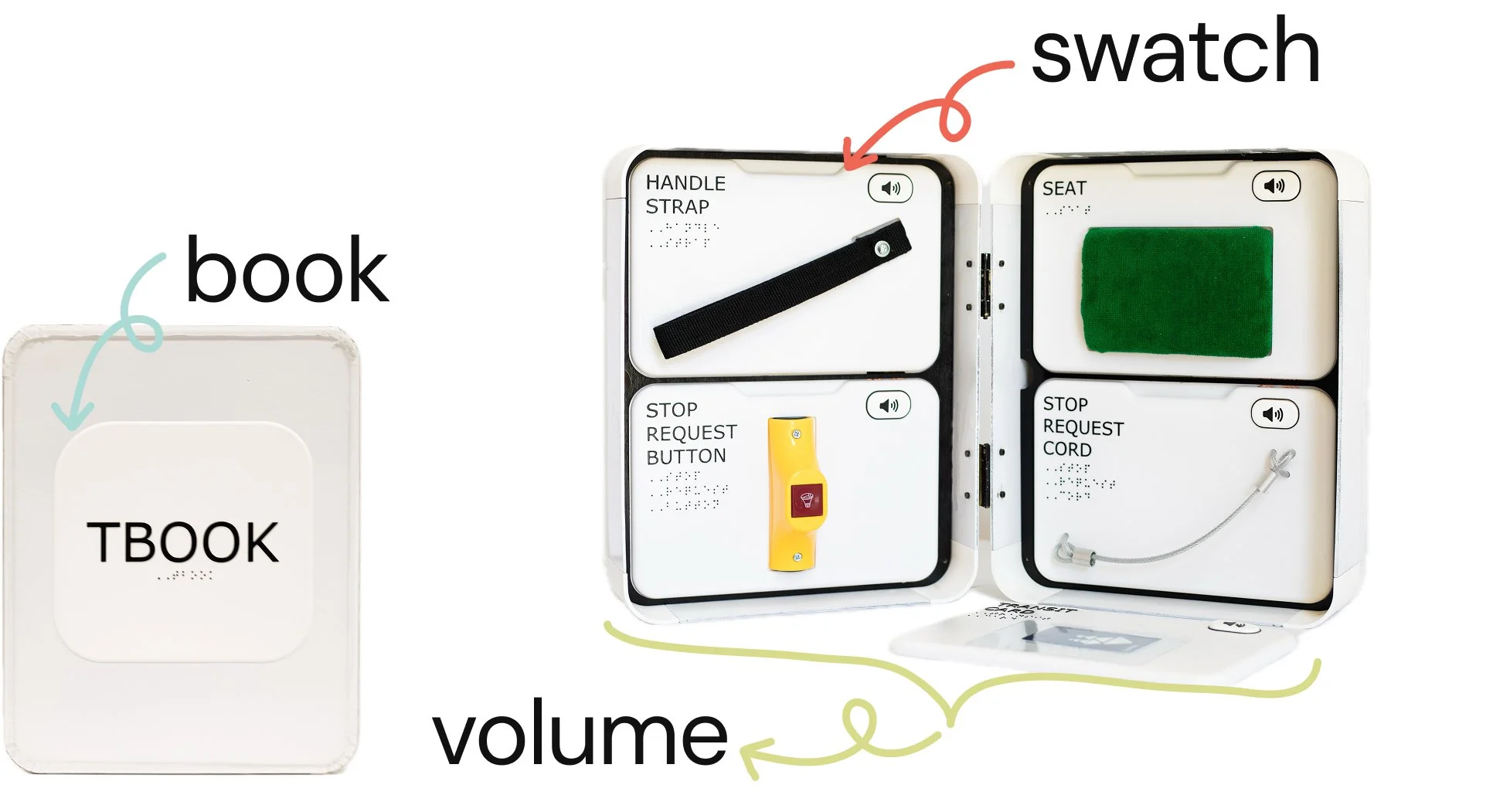
The final TBOOK consists of the book, two volumes - a public transportation volume and a sports volume - and dozens of multisensory swatches that enable both tactile and audio exploration for BVI kids to become familiar with new experiences and memorialize them after.
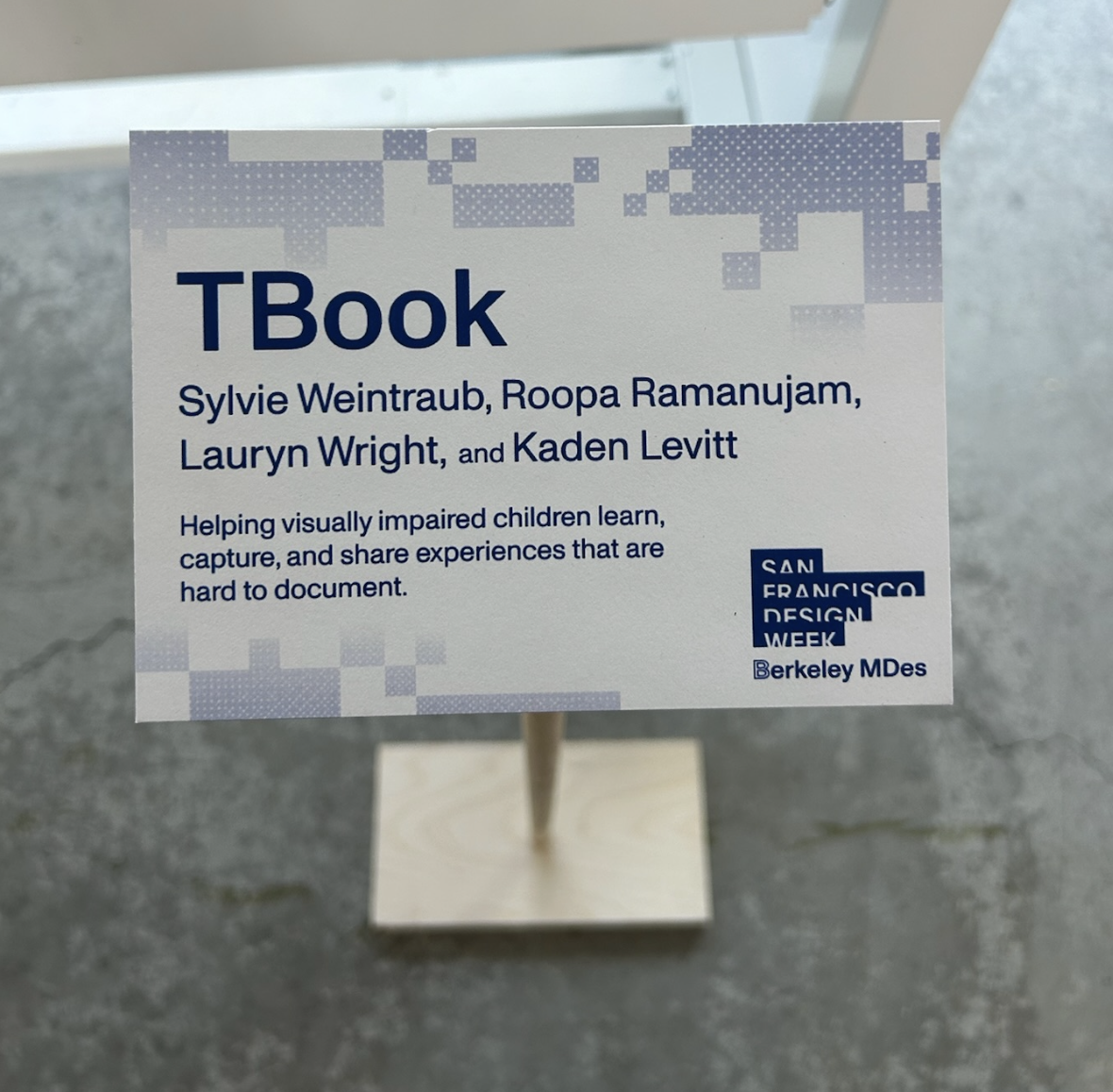
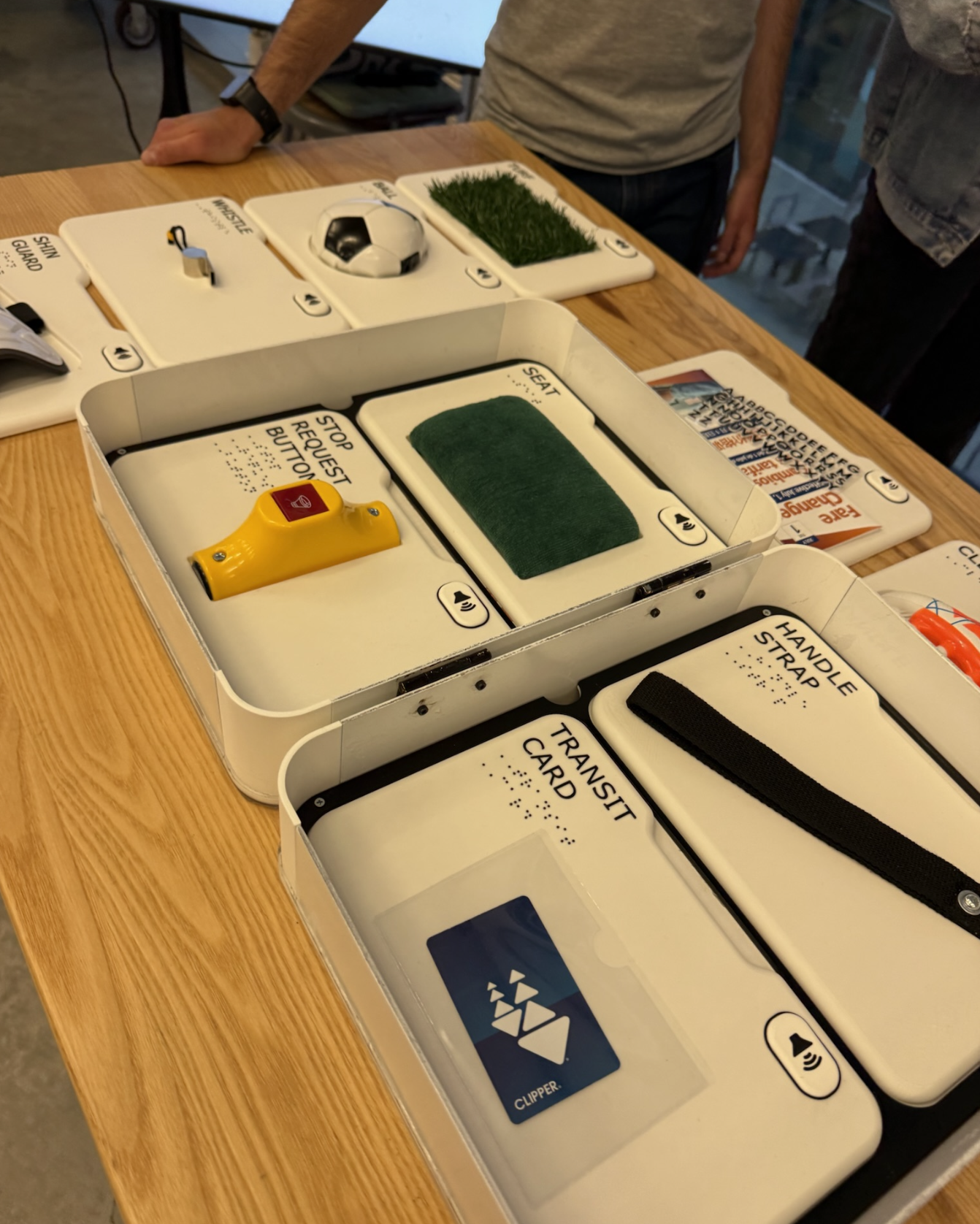
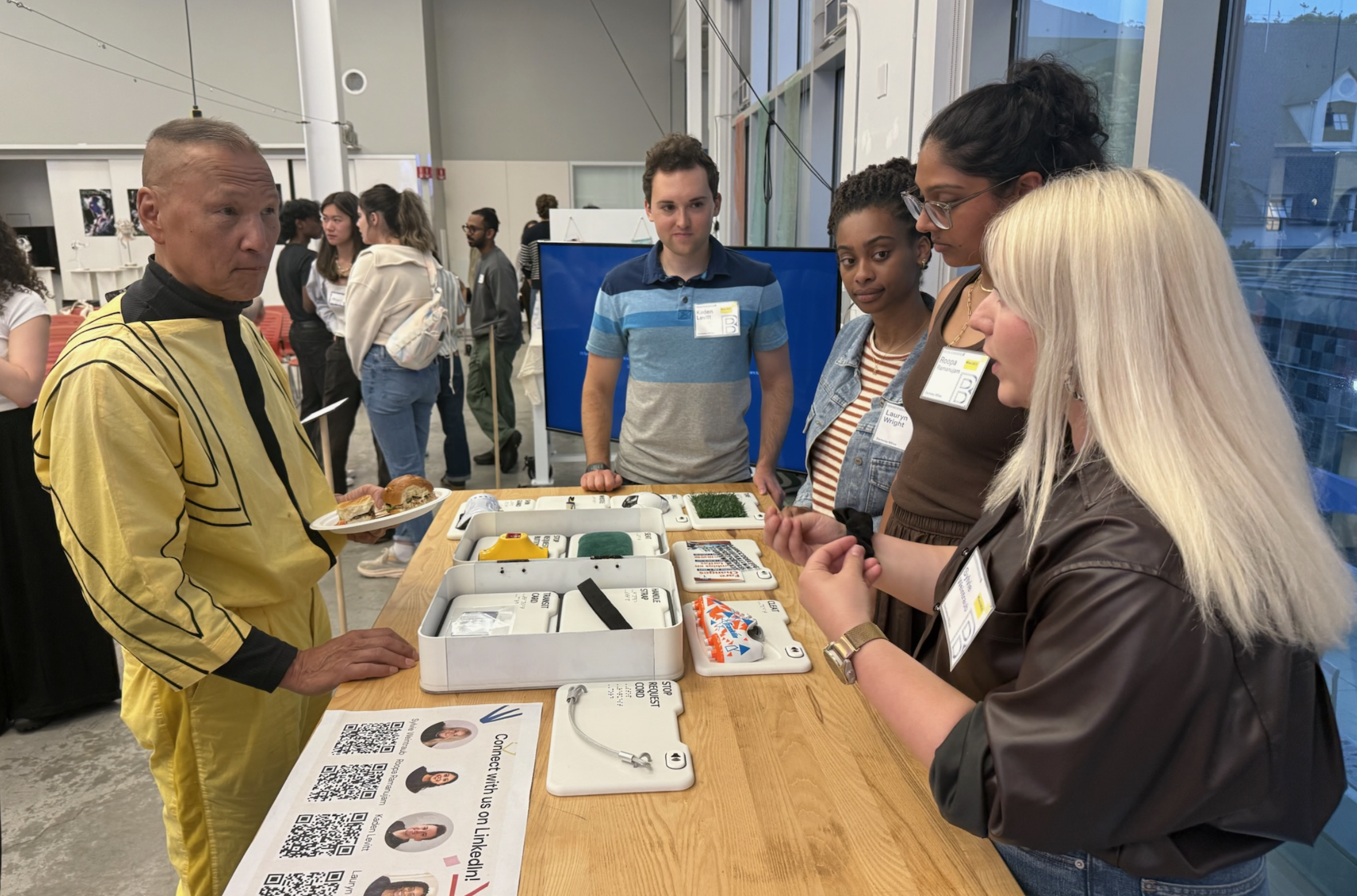
We were invited to present TBOOK at San Francisco Design Week, where we received much interest and enthusiasm about our work, including from legendary architect Eugene Tsui! We are continuing to explore opportunities to share TBOOK with the world and improve on it.